
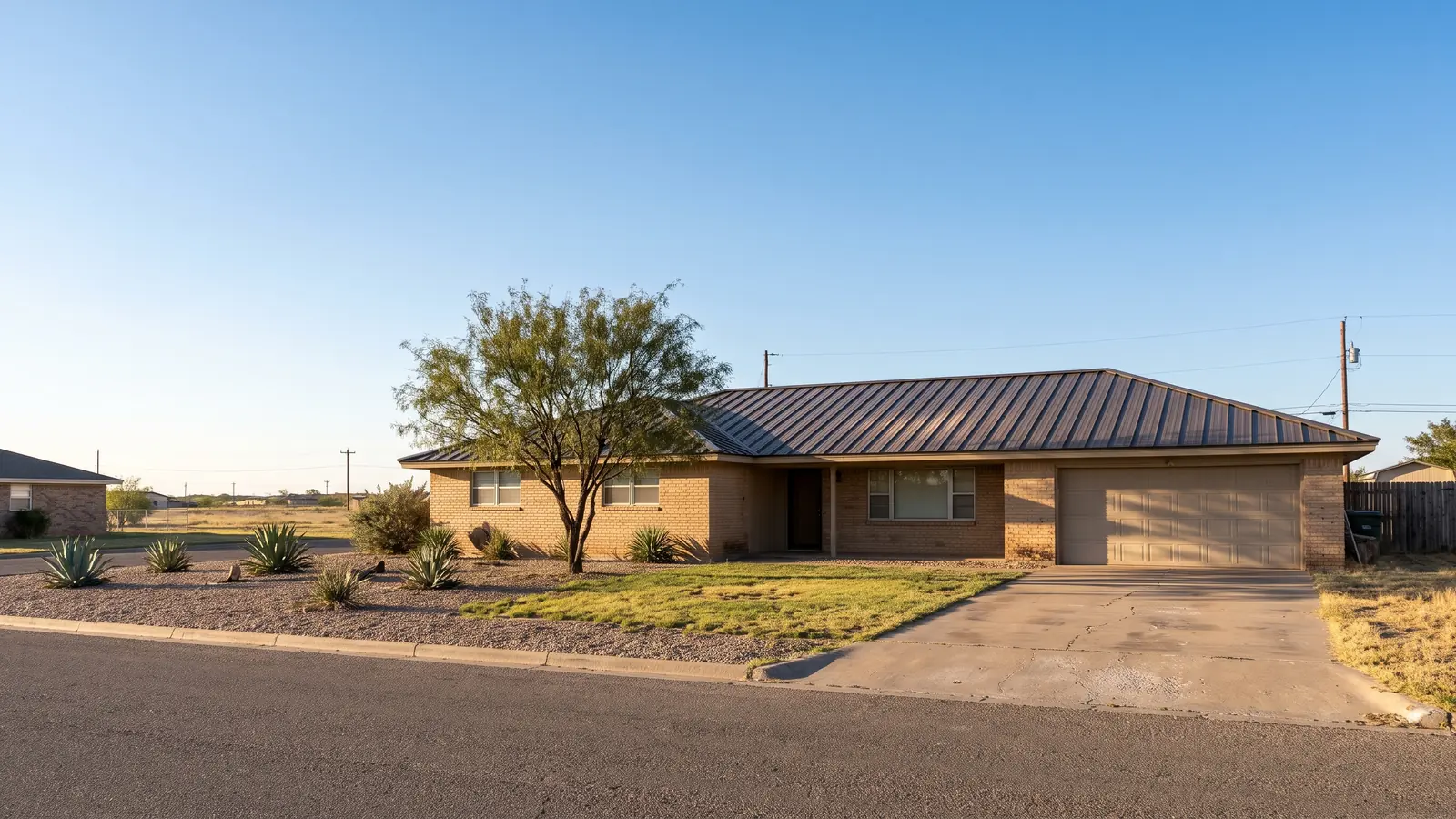
Class 4 Metal Roof Systems
Class 4 isn't a roof type. It's a test result that several metal roof types can earn, and it attaches to a specific panel, often in a specific gauge. These are the systems that carry it, and what to check for each.

Class 4 Standing Seam
Standing seam panels have no screws through the face, and several carry a Class 4 listing. One supplier's 1.5-inch snap-lock panel lists Class 4 under UL 2218 along with a Texas Department of Insurance approval number. Another maker sells a panel in 24 gauge only, with the same Class 4 listing.
- Example snap-lock panel: 16 in wide, 1.5 in seam, 22 to 24 gauge, Class 4, UL 90 uplift
- Lowest slope on that sheet: 3:12
More on the panels themselves: standing seam metal roofs.

Class 4 Stone-Coated Steel
Stone-coated tile, shake and shingle panels from one maker list Class 4 to UL 2218, on 26-gauge steel under the granule layer.
- Installed cost: $700 to $1,300 per square in HomeGuide's guide
- Weight: 150 to 160 lb per square
See stone-coated steel roofing for profiles and installation.
Class 4 Metal Shingles
Aluminum metal shingles can carry the rating too. One maker lists UL 2218 Class 4 on both a 0.019-inch slate panel and a 0.028-inch shake panel, each held by concealed clips. The metal shingles page covers slope limits and looks.
Impact-Rated Exposed-Fastener Panels
The Texas Department of Insurance lists formed metal panels among the roof coverings that can qualify for an impact credit. One supplier's 7/8-inch corrugated sheet, rolled in 26 to 20 gauge, lists UL 2218 Class 4. Screw-down panels cost the least of the metal systems in national guides, but every screw still goes through the face. See corrugated and R-panel for profiles.
Gauge and Impact Rating
Gauge is the thickness of the steel, and a lower number means thicker metal. HomeGuide's materials-only prices by gauge:
- 24 gauge: $3 to $7 per sq ft, the pick for severe-weather climates
- 26 gauge: $1.50 to $5, residential roofs in mild to moderate climates
- 29 gauge: $1 to $3, sheds and mild climates
HomeGuide adds that most houses get 24 or 26 gauge. In a county with Midland's hail record, 24 gauge is the one we'd price first, but the Class 4 listing comes from testing the whole panel, not from the gauge alone.
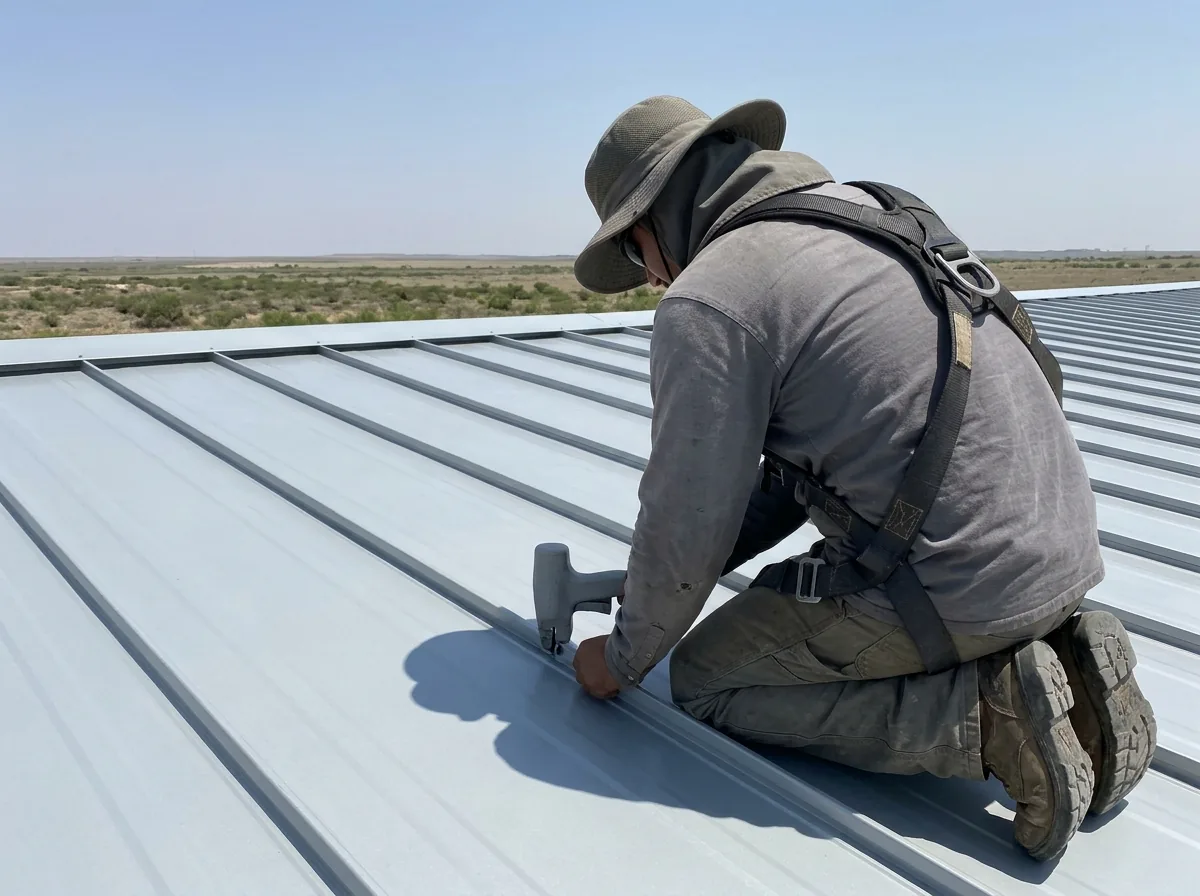
Why Midland homeowners call Midland Metal Roofing
- Free quotes, no obligation to hire
- Panel, gauge and price in writing before any work
- Your request goes to one Midland roofer, not a call list
- Homeowners never pay us for the referral
UL 2218 Testing and Texas Insurance Credits
UL 2218 drops steel balls on a roof sample to stand in for hail. Classes 1 to 3 use balls of 1-1/4, 1-1/2 and 1-3/4 inches. Class 4 uses a 2-inch ball dropped 20 feet. To pass, the sample must show no tearing, fracturing, cracking, splitting, rupture, crazing "or other evidence of opening," in the words of one panel maker's summary. Denting isn't on the list, which is why a Class 4 roof can come through a storm watertight and still look hit.
Midland gets that kind of storm. NOAA logged hail of 2 inches and larger here more than once in the last ten years. The hail damage page has the county's record and what to do after a storm.
On the insurance side, the Texas Department of Insurance says:
Credits exist
impact-rated coverings, formed metal panels included, may qualify for a premium discountClass 4 earns the most
a Class 4 covering gets the highest creditCompany by company
each insurer sets its own amount, and some may not offer onePaperwork
the installer can certify the UL 2218 class on TDI form PC068
In September 2026 TDI also urged insurers to offer "meaningful" discounts for storm-resistant upgrades, according to a news report, without setting an amount. Call your agent with the panel name and its listing before you choose, and ask what the credit would be in dollars.