
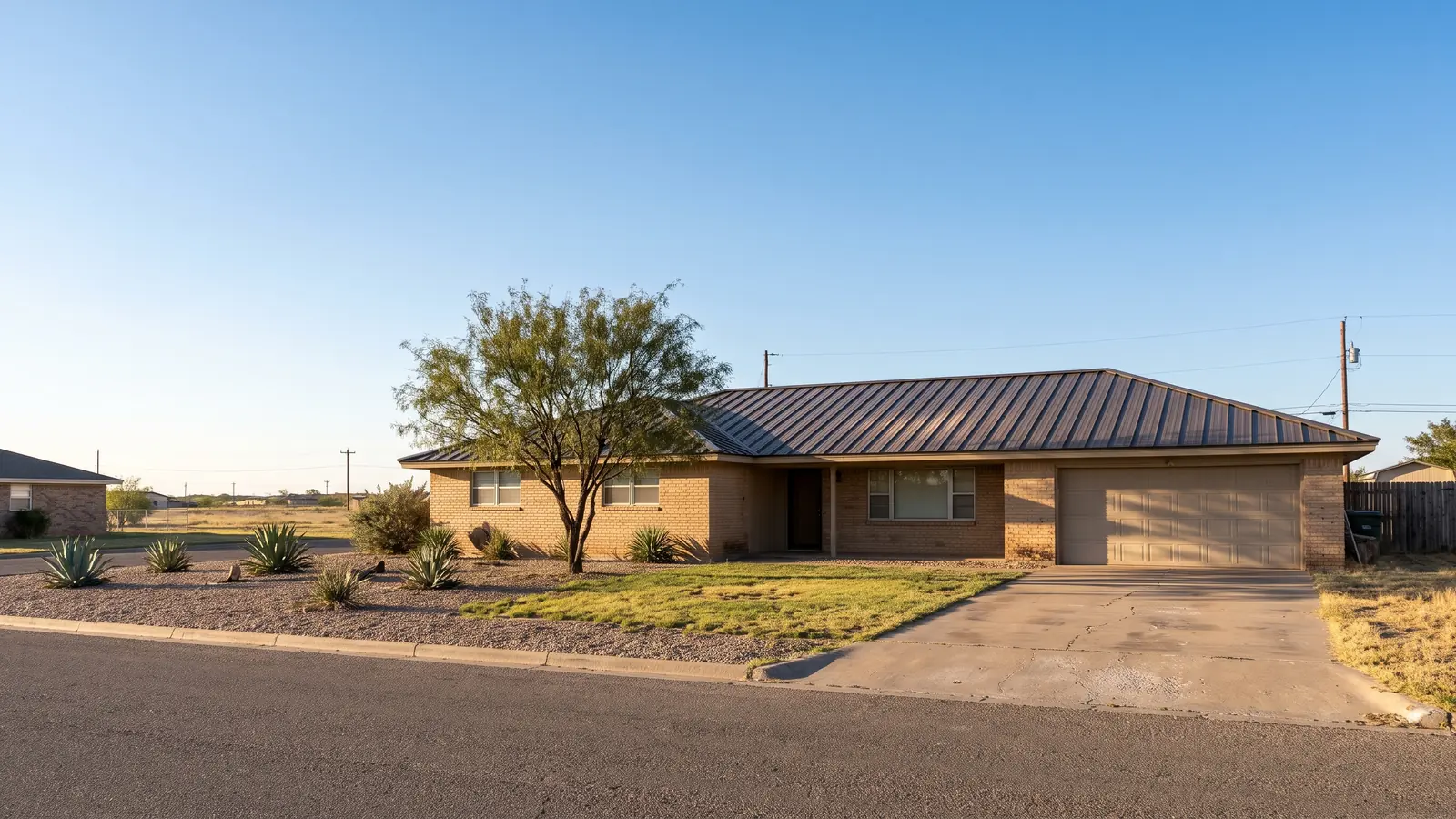
Ways to Put a Metal Roof Over Shingles
A recover comes down to two questions. What sits between the shingles and the metal, and is the roof allowed to take another layer at all? The 2018 IRC that Midland adopted allows a recover done to the panel maker's instructions. Here are the methods, then the cases where the answer is no.

Direct-to-Shingle with New Underlayment
The panels go over a fresh layer of underlayment laid straight on the old shingles. That layer matters. Without it, the granules on the shingles rub the back of the metal every time it expands and contracts, and one retailer warns this can lead to corrosion. Felt tends to stick to the metal and tear, so synthetic is the better choice.
- Before it starts: fix any active leaks and replace rotted sheathing
- Layer between: synthetic underlayment, sometimes a foil-faced radiant barrier

Furring Strips (Battens) Over Shingles
Purlins, also called furring strips or battens, are wood strips fastened across the old roof so the metal never touches the shingles. Green Building Advisor's editor, answering a reader in 2012, put it plainly: install 1x4 or 2x4 purlins at 24 inches on center, or strip the shingles.
- Strips: 1x4 or 2x4 lumber
- Spacing: 24 in on center in that advice; the panel maker's spacing rules for its own product
- Fastening: ask how the strips tie into the rafters, not just the old decking
Standing Seam Recover
The code calls out standing seam by name. Complete roofing systems such as standing seam, which carry their load straight to the structure and don't rely on the old roof for support, don't need the old covering removed. That makes standing seam the cleanest case for a recover, since its clips hold the panels and nothing goes through their face. See standing seam metal roofs for the panels themselves.
Exposed-Fastener Panels Over Shingles
R-panel and corrugated can go over shingles too. The purlin method suits them, since it gives every screw solid wood to bite into instead of old shingles. Corrugated has one extra benefit: its wave leaves an air space, and one retailer says that's where a radiant barrier works best. The panel options are on the R-panel and corrugated pages.
When a Recover Isn't Allowed
Section R908.3.1.1 of the 2018 IRC rules a recover out in three cases:
- Wet or rotted: the roof is water-soaked or has deteriorated too far to serve as a base
- Tile or slate: the existing roof is slate, clay, cement or asbestos-cement tile
- Two or more layers: the roof already has two or more applications of any covering
Any of those means a tear-off to the deck. That's a metal roof replacement, not a recover.
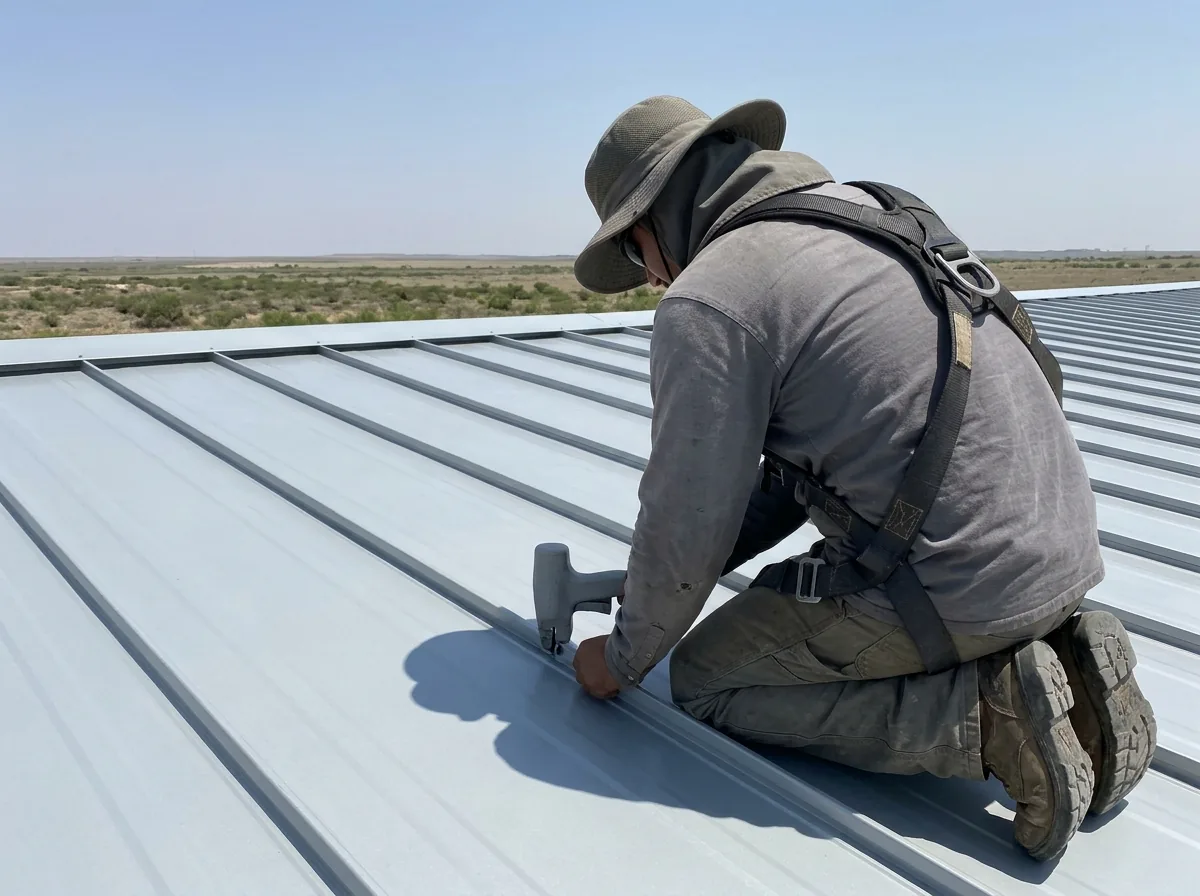
Why Midland homeowners call Midland Metal Roofing
- Free quotes, no obligation to hire
- Panel, gauge and price in writing before any work
- Your request goes to one Midland roofer, not a call list
- Homeowners never pay us for the referral
What You Give Up by Skipping the Tear-Off
HomeGuide's cost guide sums up the trade: going over the old roof saves time, labor and disposal, but it can add weight or hide damage you'd want to fix. Weight is rarely the problem with metal. The hidden deck is.
On an older Midland house, the deck is what we'd want to see. If the attic shows water stains, daylight or soft spots, ask the roofer to check those areas before quoting a recover, or price a tear-off alongside it. A recover also uses up your one allowed extra layer, so the next roof after this one will be a full strip.
For a manufactured home, the roof-over options are on the mobile home metal roof page.